Garden Clearance in Uxbridge

Garden clearance in Uxbridge should feel straightforward, whether you are dealing with an overgrown plot, a seasonal build-up of cuttings, or a garden that needs clearing before work can begin. We provide a practical service focused on removing green waste, branches, broken outdoor items and mixed garden debris, then making the space ready for its next use. If the job involves one corner, a full back garden or an awkward access route, the work is planned around the material present and the layout of the property.
The main aim is to take away the parts of garden waste that are no longer useful, while handling the remaining items with care. That can include hedge trimmings, lawn cuttings, pruning waste, soil in manageable amounts, plant pots, timber, dismantled outdoor furniture and general garden clutter. A careful clearance approach matters because outdoor spaces often contain a mixture of recyclable, reusable and non-recyclable materials that need sorting before removal.
For a clear quotation, it helps to describe the type of waste, the approximate volume and any access considerations. Photographs are often useful when the garden is partly hidden or the debris is spread across several areas, and they can help us judge how the clearance is best organised. You can also mention whether the work is linked to hedge cutting, landscaping preparation or a one-off tidy-up so the removal can be matched to the task.
What our garden clearance service covers
We handle a wide range of garden clearance work in Uxbridge, from lighter seasonal tidy-ups to more substantial outdoor clearances after pruning, cutting back or weather damage. The service is designed to remove the waste that builds up in borders, lawns, sheds and side passages, including loose branches, ivy, clippings, dead plants, old compost bags and other garden materials. It is also suitable when a garden has become difficult to use and needs to be brought back to a manageable condition.
Where the waste is mixed, we sort what we remove so that recyclable and reusable items are separated where appropriate. That is especially useful when the garden contains both organic waste and non-organic items such as broken planters, fencing offcuts, plant supports or outdoor storage items. We aim to keep the process orderly from start to finish, so the cleared space is left free of the material that was agreed for removal, rather than simply moved from one corner to another.
If you are preparing to request a quotation, the most useful details are usually the amount of waste, whether anything is embedded in the ground, and whether there are items that need dismantling before removal. Please mention access to the garden if it is narrow, shared or reached through the house, as that affects how the work is approached. If you want to compare the scope of different clearance options, the pages for garden clearance and waste removal give a useful starting point for the main service areas.
Clearing overgrown gardens and accumulated waste

Some gardens need more than a simple rubbish collection. When growth has spread across beds, paths or paved areas, garden clearance often involves removing brambles, cut back shrubs, garden waste sacks and neglected items that have been left outside for some time. This type of work is best treated as a practical clearance rather than a quick tidy, because the volume and mix of material can make access and loading more involved. The goal is to restore usable outdoor space without promising any specific level of renovation.
We also deal with accumulated garden clutter that tends to build up gradually, such as broken hose reels, damaged pots, faded toys, timber offcuts, sacks of unused compost and redundant decorative items. In these cases, the service is about identifying what should go and what should stay, then removing the agreed load efficiently. Clear separation of items matters if there are materials you want retained for reuse, as that reduces the chance of something useful being taken by mistake.
Useful links for related domestic work include home clearance, house clearance and loft clearance where garden work forms part of a broader clear-out. Those pages describe other removal tasks that may sit alongside outdoor jobs, especially when a property is being prepared for decorating, sale or general reorganisation. If the garden clearance is the only task, we keep the visit focused on the outside area and the waste that belongs to it.
Garden waste types and how they are handled
Different garden materials need different handling, and that shapes the way the clearance is organised. Green waste such as cuttings, leaves and small prunings is usually straightforward to load, while heavier material such as wet soil, turf, broken sleepers or dense branches can require more time and lifting care. Mixed outdoor waste may also include plastic, metal, wood and garden fabric, which are best separated where practical rather than treated as one undifferentiated pile.
When a garden has been used for storage as well as planting, there may be a combination of refuse and reusable items to sort through. That can include chairs, tables, broken ornaments, old barbecues, plant containers and rusted tools. We remove the agreed items and avoid making assumptions about anything you may want to keep. A measured approach works especially well if you are clearing the garden in stages, because it leaves room for further decisions once the larger waste has gone.
- green cuttings, hedge trimmings and grass waste
- branches, twigs and light pruning debris
- old pots, trays and plant supports
- timber, fencing offcuts and broken outdoor fixtures
- general garden clutter that no longer has a use
Planning access, timing and the best way to quote
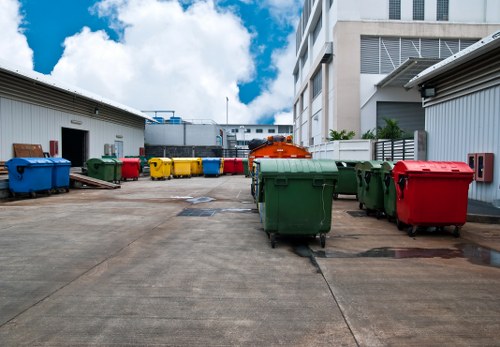
Good planning makes garden clearance easier, particularly when the garden is behind a house, reached through a side passage or shared with neighbours. Access affects how waste is carried, where it is stacked temporarily and whether larger items need to be broken down first. If the garden includes fragile edging, narrow paving or planted areas you want preserved, it is helpful to point those out so the clearance can be carried out with care around them.
When asking for a quotation, the most useful information is usually a short description of the material, rough quantities and any obstacles such as locked gates, steps or limited parking close to the property. You do not need to write a long explanation; a few accurate details are often enough. If there is a mix of green waste and household-type items, say so plainly, because that helps determine whether the work is best treated as garden clearance alone or alongside another removal service such as flat clearance in cases where indoor and outdoor waste are both involved.
For customers who are comparing related options, the pages for furniture clearance and furniture disposal can be useful where outdoor seating, tables or storage items are part of the load. A brief list of what needs removing is often enough to begin shaping a quote, especially if there are bulky or awkward items mixed in with the garden waste.
Recycling, reuse and responsible disposal
Responsible garden clearance is not only about taking waste away; it is also about directing different materials to the right route where possible. Organic garden waste can often be separated from non-organic items, while timber, metals, plastics and mixed refuse may each need their own handling method. The exact options depend on the material in question, but the principle is consistent: sort carefully, remove cleanly and avoid unnecessary mixing.
That approach becomes especially relevant when a clearance includes items that are damaged but still identifiable, such as planters, tools, outdoor storage, trellis panels or broken seating. Some loads also contain soil, rubble or building offcuts from outdoor projects, which may be better treated separately from general green waste. If you want to understand how disposal and sorting are approached, the recycling and sustainability page explains our general approach to material handling, while builders waste clearance may be relevant where the garden also contains construction-related debris.
For jobs that involve multiple material types, one clear description is usually better than a long checklist of possibilities. Tell us what is present, what should remain in place and whether there are any items requiring dismantling. That keeps the process practical and avoids confusion when the clearance begins. If you would like to move ahead, you can ask for a quote and let us know which parts of the garden need attention first.
About Uxbridge
Uxbridge is a west London town with a long history shaped by transport, trade and changing suburban growth. It sits within the London Borough of Hillingdon and has long been associated with routes linking London to the west, which gave the town importance as a coaching stop before modern road and rail systems developed. The Grand Union Canal runs through the area, adding a distinctive waterway character to parts of the town and connecting it to the wider canal network that helped drive commerce across the capital and beyond. In the town centre, the streets combine later commercial development with older traces of settlement, while nearby residential districts show the layers of expansion that came with nineteenth- and twentieth-century growth. The area is also known for its educational and civic presence, with Brunel University London situated nearby and contributing to the wider identity of the town. Parks and open spaces such as those along the River Colne corridor provide contrast with the built-up centre, and the landscape around Uxbridge includes the broader edge between urban London and the more open western fringe. Historic buildings, canal-side stretches and retail streets give the town a mixed character rather than a single uniform style, and that mix is part of what makes it recognisable within west London.
Garden clearance for homes, landlords and property managers

Garden clearance is often needed for more than one reason. Homeowners may want to reclaim space after a busy growing season, while landlords and property managers may need outdoor areas cleared after a tenancy change, before maintenance work or in advance of inspections. The work can be adapted to the property rather than forcing a one-size-fits-all approach, which is especially useful when only parts of the garden need attention or when certain items must be left untouched.
In rental and managed properties, the main challenge is usually identifying what belongs to the clearance and what should stay for the next stage of work. That may include removing loose waste, neglected garden furniture, dead planting, sacks of debris and miscellaneous outdoor items without disturbing fixtures that remain in use. If the clearance is connected with an indoor tidy-up as well, you may find the related office clearance and business waste removal pages useful for understanding other organised removal services we provide.
When several areas are involved, it helps to separate the work into sensible parts rather than merging every task into one vague request. A garden clearance can focus on the outdoor space, while other pages cover additional domestic or commercial removals if those are needed. That keeps the quotation accurate and helps everyone understand which items are included from the outset.
What to mention when you ask for a quote
There are a few details that make a quotation more precise without requiring a lot of effort. A rough estimate of the volume of waste, the main material types and any bulky items needing extra handling will usually be enough to start. If the garden contains thorny growth, wet waste, broken timber or items that must be dismantled, those points are worth including as well because they affect the time and method of removal.
Access and separation are the other important parts of a good enquiry. Let us know whether the waste is piled at the front or rear of the property, whether there are steps or narrow gates, and whether there are items that should remain in place. Where photographs are available, they can support the description and reduce the need for back-and-forth questions. You can also mention whether the clearance is urgent or simply being planned for a convenient date.
For some properties, garden waste forms part of a bigger project that may also involve storage spaces or rooms in the house. In those cases, it may help to look at garage clearance if outdoor tools and surplus items have been stored away, or office clearance if the same property includes work-related storage that needs attention. If your requirement is only the garden, say so plainly and we will keep the focus there.
Typical garden clearance jobs and practical choices

Garden clearance can take many forms, so the right approach depends on what has built up and what the space needs to become afterwards. A small pile of hedge cuttings calls for a different method from a tangled area containing branches, old fencing and disused outdoor items. We keep the work practical and specific to the load, aiming to remove what has been agreed without turning a simple clearance into something unnecessarily complicated.
Common choices include whether to clear the entire garden or only selected zones, whether to remove organic waste separately from mixed rubbish, and whether bulky objects should be dismantled first. Some customers prefer to prioritise pathways, patios or access routes, while others want the beds, borders and storage corners cleared in one visit. Each option is workable, provided the scope is described clearly at the start and the waste is grouped sensibly before removal.
If you are ready to talk through the job, request a quotation with a few clear details and we will take it from there. A short description is enough to begin, especially when the waste type and access are straightforward. For larger or more mixed jobs, the contact us page is the best final step for sending your enquiry and arranging the next stage.